
NEWS
B737 MAX APS MCC
Take the Next Step Towards Your Airline Career. Aiming for a career with one of Europe's leading low-cost airlines?
Completing your ATPL training is a major milestone in your journey towards becoming a commercial airline pilot. However, obtaining your Frozen ATPL is only one part of preparing for the operational demands of an airline cockpit.
For aspiring pilots looking to take the next step, the B737 MAX APS MCC (Airline Pilot Standards Multi-Crew Cooperation) provides an opportunity to strengthen these competencies in an airline-focused training environment. At IFA – International Flight Academy, pilots can complete their APS MCC training as part of their ATPL pathway or explore additional training options after completing a Regular MCC course.
Why choose B737 MAX APS MCC training?
The Boeing 737 family is widely operated by airlines across Europe, including some of the continent’s largest low-cost carriers.
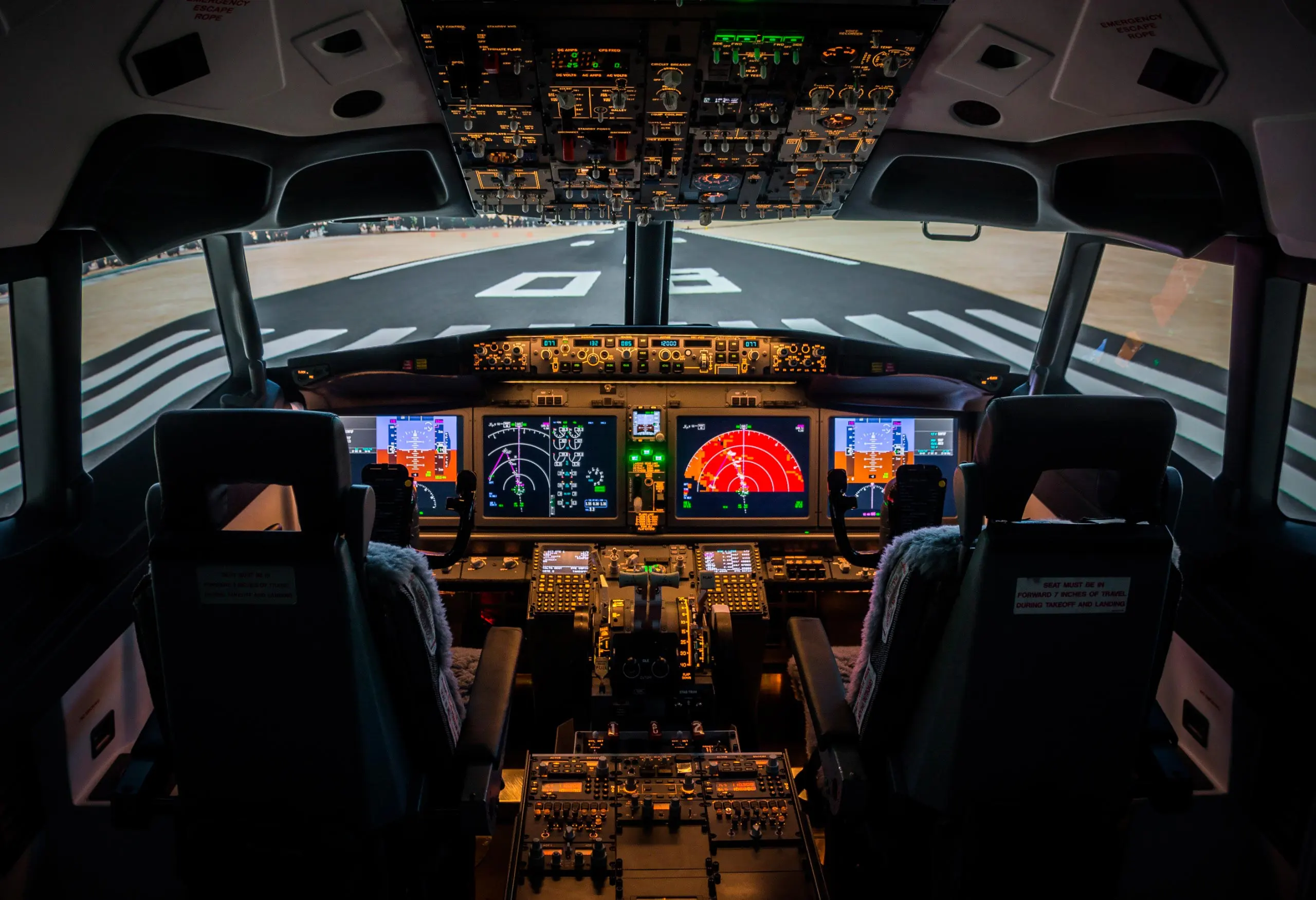
For pilots aspiring to enter this segment of commercial aviation, completing an APS MCC course in a B737 MAX simulation environment offers valuable exposure to the operational principles, cockpit procedures and multi-crew dynamics associated with modern airline operations.
Unlike a traditional MCC course, the APS MCC program follows an enhanced training framework designed to develop competencies relevant to airline operations.
Throughout the course, pilots strengthen essential skills such as:
• Multi-Crew Cooperation: Effective communication, coordination and teamwork between flight crew members.
• Crew Resource Management (CRM): Managing workload, situational awareness and decision-making.
• Standard Operating Procedures (SOPs): Understanding and applying structured operational procedures.
• Threat and Error Management (TEM): Identifying operational risks and responding effectively.
• Airline-Oriented Scenarios: Applying technical and non-technical skills in simulated flight situations.
Already completed your ATPL with Regular MCC?
You can still take the next step.
Many pilots complete their ATPL training with a Regular MCC course before deciding to pursue additional airline-focused training.
If you have already completed your ATPL and hold a Regular MCC certificate, you can still pursue APS MCC training without necessarily repeating the entire standard course pathway.
At IFA, training options are available for pilots who have previously completed a Regular MCC course, with the training duration adapted to their existing qualifications and the applicable program requirements. This allows pilots to build on their previous training while further developing the competencies addressed by the APS MCC program. Whether you are approaching the end of your ATPL training or have already completed your MCC, IFA can help you identify the appropriate training pathway.
B737 MAX at IFA in Portugal
IFA’s B737 MAX APS MCC program is designed to bridge the gap between initial pilot training and the operational environment of commercial aviation.
Delivered at IFA’s training facilities in Viseu, Portugal, the program combines structured theoretical instruction with practical simulator sessions.
The full APS MCC program includes 42 hours of simulator training, giving pilots the opportunity to develop and apply their skills in an airline-focused environment.
Training is supported by experienced instructors and emphasizes the practical application of multi-crew procedures, communication, workload management and decision-making.
By working through progressively demanding scenarios, pilots develop greater familiarity with the operational challenges they may encounter during subsequent airline training.
Is APS MCC mandatory to join an airline?
The APS MCC is not universally mandatory for all airline recruitment processes. However, some airlines and recruitment pathways may require or favour specific MCC qualifications, including APS MCC.
For this reason, pilots should consider the requirements of their target airlines when choosing between a Regular MCC and an APS MCC program.
An APS MCC certificate demonstrates completion of enhanced multi-crew cooperation training, but does not constitute a Boeing 737 type rating or guarantee employment with an airline.
Make your next move with B737 MAX APS MCC
Your ATPL is an important achievement. The next step is to continue developing the skills that will support your transition towards airline operations.
Whether your ambition is to fly for one of Europe’s leading low-cost airlines or explore opportunities across the wider commercial aviation industry, choosing the right training pathway can help you prepare for what comes next.
With B737 MAX APS MCC training in Portugal and options for pilots who have already completed a Regular MCC, IFA offers a pathway to continue developing your professional competencies.
More news